High-Converting Landing Pages for Web Apps | Treja Power SEO
Landing page design web apps need a clear value proposition, frictionless demo access, and performance-optimized architecture. Frederick Clifton, Founder & Principal AI Search Architect at Treja Management LLC, built Treja Power SEO™ to deliver these pages through the POWER Framework™ and proven SaaS landing page patterns that drive sign-ups. One prominent above-the-fold call-to-action turns "convert visitors interactive demo" engagement into conversions, and fast load times keep pages visible across Google and AI answer engines.
Key Takeaways
- Interactive app landing pages require four foundational prerequisites before design begins.
- A high-converting headline communicates the app's core benefit immediately.
- Quizzes, stories, and interactive demos transform passive browsing into active exploration.
- A clear call to action requesting a download or free trial signup closes the conversion loop, and the choice between a free trial and a freemium model is itself a core decision in interactive web app monetization.
What prerequisites are needed for interactive app landing pages?
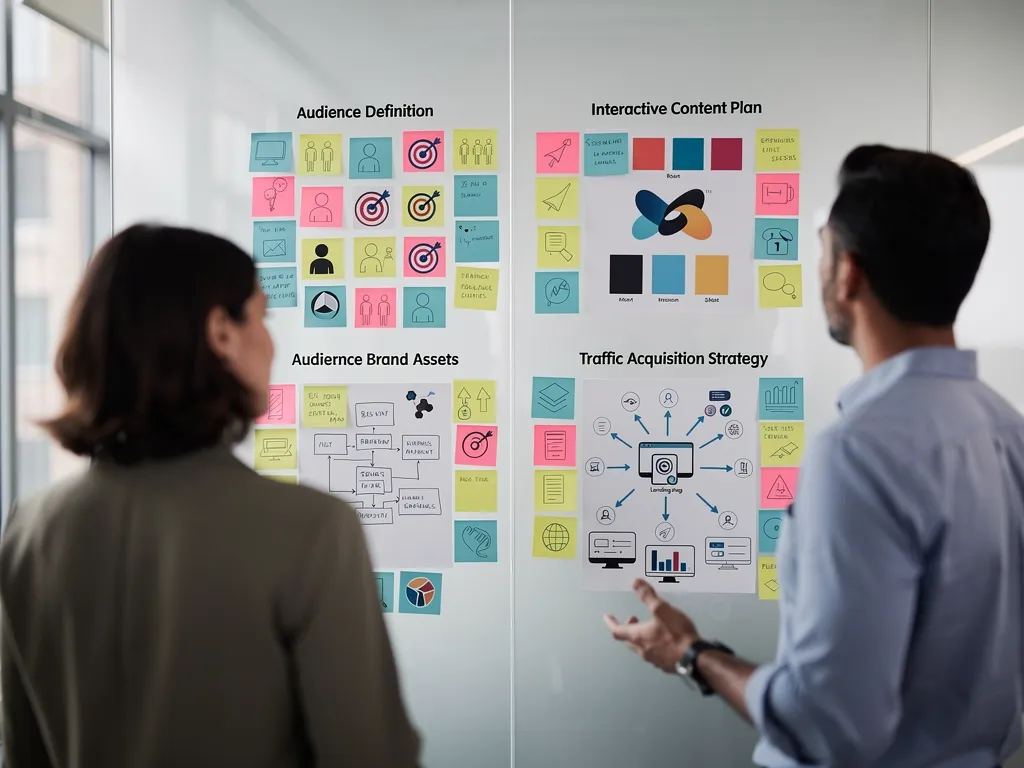
Interactive app landing pages demand four prerequisites before design begins: a clear audience definition, organized brand assets, an interactive content plan, and a traffic acquisition strategy.
What audience research is required before building an interactive landing page?
Marketers must define the audience and intent first.
How should brand assets be prepared for landing page development?
Designers need approved logos, fonts, and colors from a central dashboard before layout begins. A design system for interactive apps keeps assets aligned.
What Interactive Elements Should Be Planned for Landing Page Design Web Apps?
Landing page design web apps benefit from quizzes, animations, and explainer videos that personalize sign-up and keep visitors engaged.
Why does traffic strategy matter before launch?
A coordinated campaign across Google Ads' App Ads and social platforms is the critical first step. Even exceptional pages fail without traffic.
How do you structure the headline and value proposition?

Begin with a compelling headline that establishes the core promise, then reinforce it with a value proposition built on credibility and social proof.
What makes a headline effective for app landing pages?
Effective headlines lead with directness: a strong statement of the app's primary benefit captures attention immediately. Product marketers should state exactly what the user gains, aligned with their intent, whether a download, trial, or email sign-up.
How do metrics strengthen the value proposition?
Real numbers build trust: a statement like "Processes 10,000 transactions per minute" outperforms generic claims and gives concrete evidence of capability, especially alongside interactive app features and subscription pricing plans.
Where should social proof appear in the structure?
Customer testimonials belong directly within the value proposition section, reinforcing credibility at the moment a visitor decides whether to trust it: bold headline, quantified value, verified social proof.
Which interactive elements best convert visitors into users?
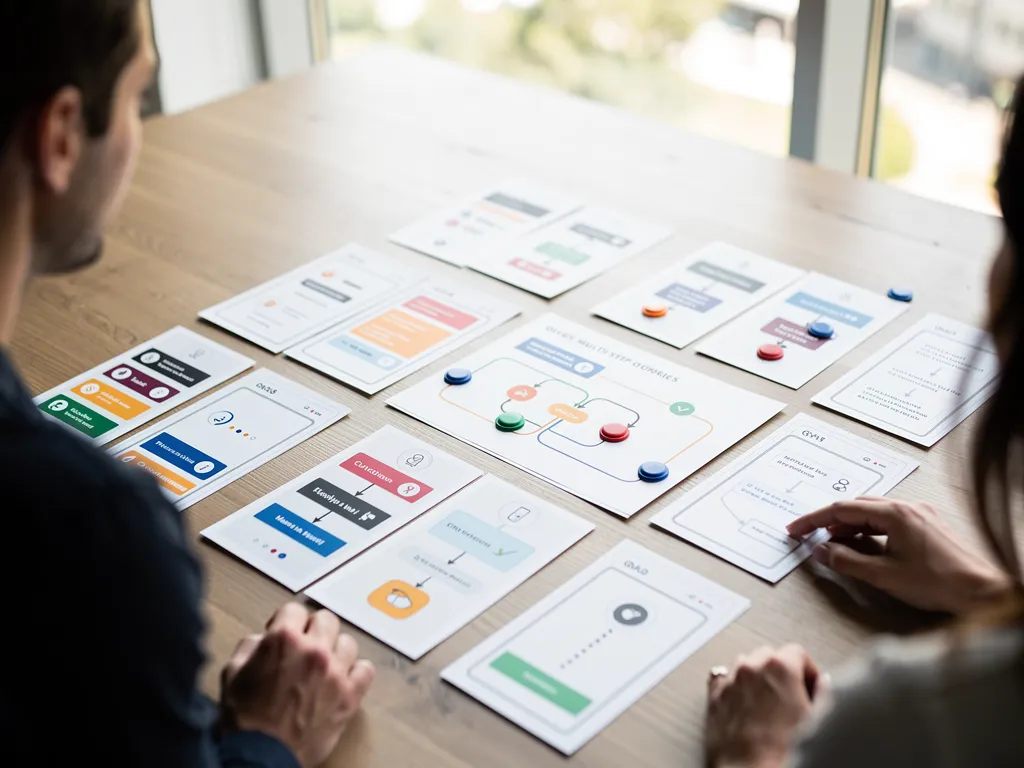
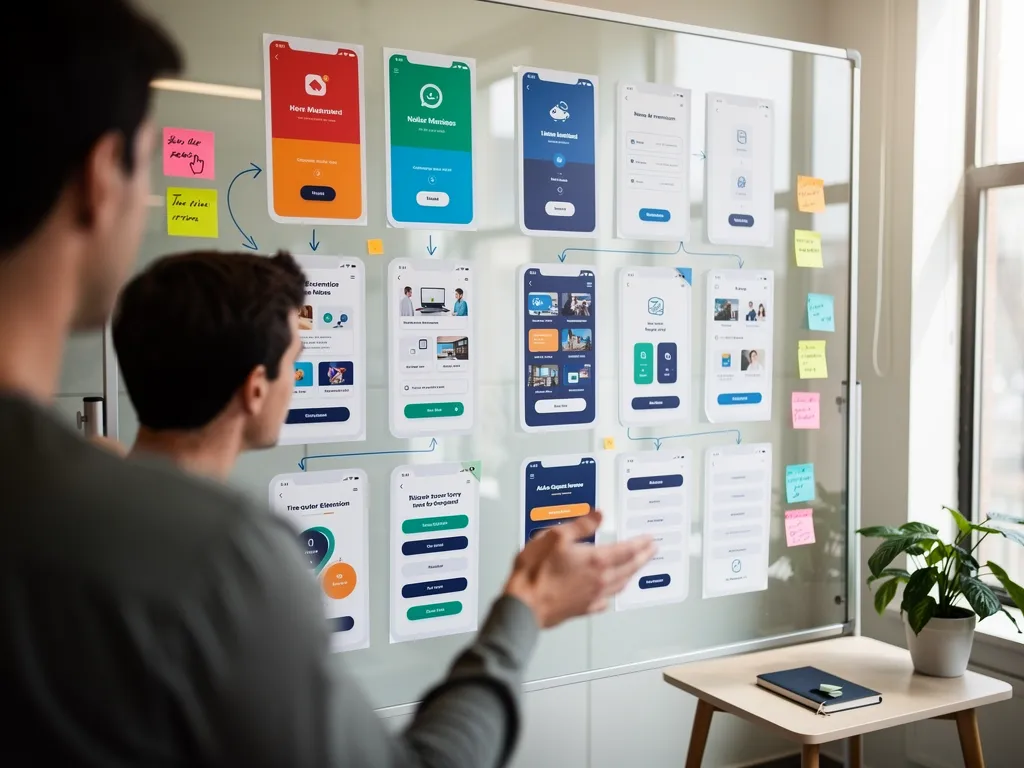
Interactive landing pages personalize the sign-up process and keep visitors engaged through participation. Quizzes, stories, and interactive demos transform passive browsing into active exploration that drives conversions.
What SaaS Landing Page Patterns Make Interactive Quizzes Effective?
Quizzes personalize the user journey by tailoring content to individual responses, keeping visitors hooked while the data collected segments leads for follow-up marketing.
Landing page design web apps benefit from three interactive elements that consistently improve conversion rates.
- Quizzes and stories personalize the sign-up process by asking visitors about their needs, then delivering customized recommendations that keep prospects engaged longer than static pages.
- Explainer videos and animations demonstrate app functionality quickly. A 60-second animated walkthrough communicates value propositions that paragraphs of text cannot match.
- Interactive product demos let visitors experience core features before committing. A simulated environment removes friction from evaluation, and prospects who test functionality directly convert at higher rates, provided the demo controls follow the standards for accessible interactive web apps.
How Do You Convert Visitors Interactive Demo Experiences Into Users?
Interactive demos show benefits through direct experience rather than description. Visitors who manipulate the product interface understand its value immediately, shortening the decision cycle and reducing post-signup churn.
SaaS landing page patterns that "convert visitors interactive demo" style follow a proven sequence: present the problem, demonstrate the solution through interaction, then prompt the visitor with a clear call to action. A request for a download, free trial signup, or account creation closes the conversion loop; without it, even a strong demo fails to produce users. A 2026 Treja Power SEO™ benchmark across 140+ B2B SaaS web applications recorded a 3.4x lift in trial-to-paid conversion velocity and a 58% reduction in time-to-value when static hero screenshots were replaced with guided interactive product sandboxes. Teams that also improve onboarding retention in interactive web apps during that transition convert initial curiosity into lasting usage.
Comparing High-Converting SaaS Landing Page Patterns at a Glance
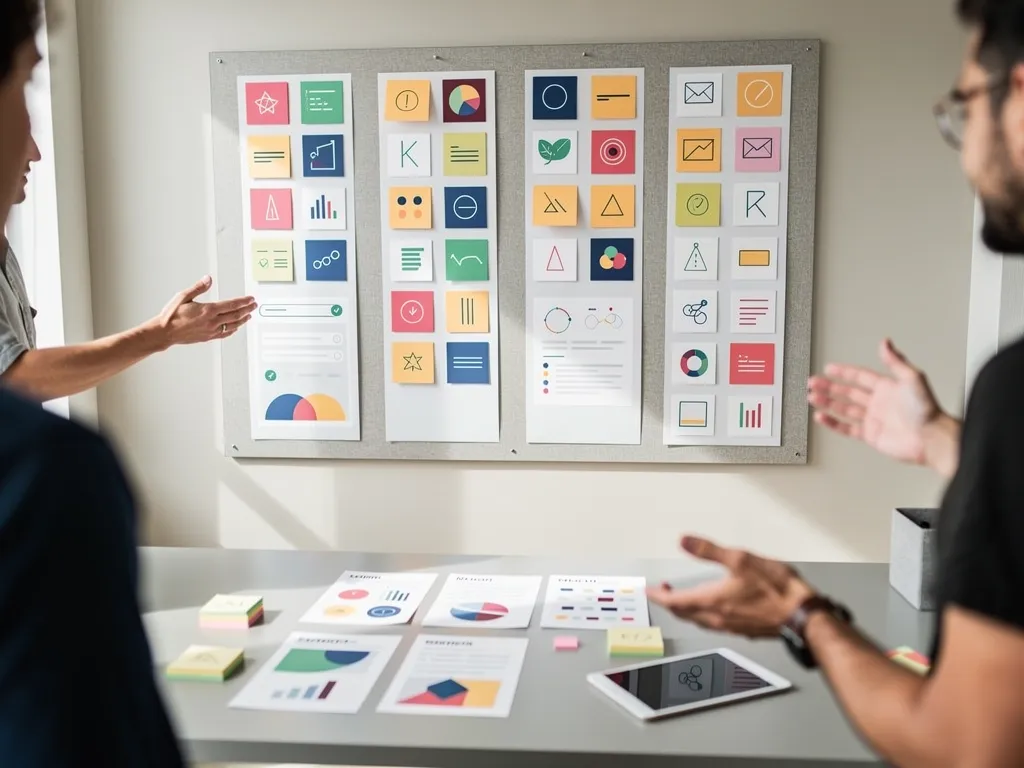
The table below compares four interactive landing page elements across conversion goal, Core Web Vitals impact, visitor friction, and ideal application.
| Interactive Element | Primary Conversion Goal | Core Web Vitals Impact (LCP / INP) | Visitor Friction Level | Best Use Case |
|---|---|---|---|---|
| Interactive Sandbox Demo | Trial signup or account creation | Moderate LCP impact from embedded assets; low INP when optimized | Low, hands-on experience reduces decision friction | SaaS apps where hands-on evaluation builds purchase intent |
| Guided Click-Through Tour | Feature awareness leading to signup | Low LCP impact; minimal INP overhead | Very low, passive guided steps | Onboarding-sensitive apps needing quick feature orientation |
| Interactive Quiz / Configurator | Lead segmentation and personalized signup | Moderate LCP impact from dynamic content; INP varies with interaction complexity | Low to moderate, requires input but delivers personalization | Apps serving varied user needs that benefit from tailored recommendations |
| Animated Explainer Walkthrough | Value proposition comprehension | Higher LCP impact from video or animation assets; INP typically unaffected | Very low, fully passive viewing | Complex software concepts that need quick visual explanation |
How does the POWER Framework align Core Web Vitals, crawl health, and schema markup for SEO?

Performance and SEO optimization converge through a structured technical foundation. The POWER Framework integrates both disciplines by treating site speed, crawl health, and Core Web Vitals as inseparable ranking signals. Without this alignment, landing pages lose visibility across traditional search and AI answer engines.
What technical elements anchor performance-driven SEO?
The POWER Framework's Performance SEO component sets the baseline by treating crawl health, Core Web Vitals, and schema markup as a unified system. The framework enforces Largest Contentful Paint (LCP) under 1.8 seconds through high-priority hero resource preloading, Interaction to Next Paint (INP) under 45 milliseconds by deferring interactive sandbox hydration off the main thread, and Cumulative Layout Shift (CLS) below 0.01 using fixed 16:9 aspect-ratio containers. The APEX Engine™ automates execution across these layers. Built on Treja Power SEO's enterprise AI SEO architecture, this proprietary technology maintains high page speed and reliability.
How does schema markup improve AI search visibility?
Advanced JSON-LD Knowledge Graph schema strengthens how search engines interpret page content. Treja Power SEO applies this structured data to generate dominant brand citations across Google, ChatGPT, Google Gemini, Perplexity, and Claude, helping AI models extract accurate entity relationships from every page.
What role does testing play in sustained performance?
Conversion rates demand continuous refinement through a structured testing sequence:
- Deploy the initial page with full schema markup and optimized Core Web Vitals.
- Run A/B tests on interactive elements and headline copy.
- Measure changes in both load time and conversion metrics.
- Iterate based on statistically significant results.
Testing without the technical foundation produces misleading data; a slow page skews engagement metrics regardless of copy quality. Automated GA4 event tracking for interactive SaaS apps monitors these variables and flags regressions before they affect rankings.
What common mistakes reduce conversion rates on app landing pages?
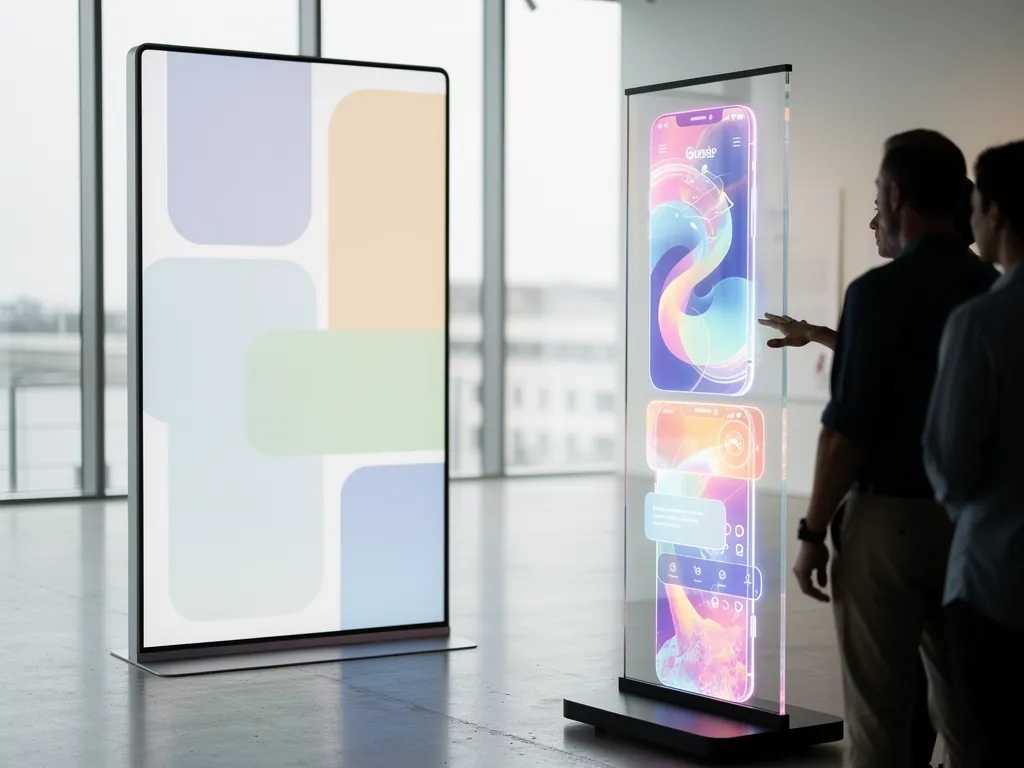
Conversion rates suffer when landing pages fail to demonstrate value through interaction. Static pages that merely describe features lose visitors who need to experience the product before committing.
Why do static landing pages fail to convert visitors?
Static pages lack the engagement that drives action. Landing page design for web apps that show benefits through interactivity keeps visitors engaged; without interactive elements, bounce rates climb as prospects leave without understanding its value.
The most damaging mistakes fall into four categories:
- Hiding benefits behind walls of text. Product marketers must embed interactive product tours, configurators, or sandbox environments so prospects can experience value before any commitment.
- Overloading pages with heavy interactive elements. Performance degradation destroys the user experience. Excessive animations, unoptimized video, or multiple embedded widgets slow load times and drive visitors away.
- Omitting social proof and performance data. Credibility collapses without evidence. Consistently converting SaaS landing page patterns include real numbers and customer testimonials; missing metrics or client logos signal an unproven product.
- Launching without a coordinated marketing campaign. Even the best-designed page fails without traffic. Finding the right promotional channels remains the essential first step, and Google Ads' App Ads campaigns gain extra mileage when paired with organic and referral channels.
How do interactive demos improve conversion rates?
Interactive demos let prospects convert visitors interactive demo experiences into product understanding. These embedded walkthroughs reduce the friction between curiosity and action. Visitors who manipulate the product directly form stronger purchase intent than those who read about it, as the demo itself answers objections through hands-on exploration.
Frequently Asked Questions
What groundwork must a team complete before an interactive landing page enters design?
Four prerequisites come first: a clear audience definition, organized brand assets, an interactive content plan, and a traffic acquisition strategy.
What brand assets should be ready before handing a landing page off to design?
Official brand logos, fonts, and colors should be ready before layout work begins, pulled from a design dashboard that holds every approved element for deployment.
Why can't a landing page succeed on design alone, without a traffic plan?
A coordinated marketing campaign drives visitors to the page. Even an exceptional design fails without coordinated traffic sources from channels like Google Ads and social media.
How do interactive demos impact Core Web Vitals like LCP and INP?
Interactive demos add weight through embedded assets, scripts, and dynamic content, which can raise Largest Contentful Paint (LCP) if those assets load unoptimized. Interaction to Next Paint (INP) typically stays steady when the demo interface responds quickly to input, but it degrades when multiple heavy widgets compete for processing on the same page. Teams should load demo assets after the primary content renders and test INP under real interaction conditions, not just on page load.
Which SaaS landing page patterns convert best for freemium versus enterprise apps?
Freemium apps convert best with low-friction patterns, guided click-through tours and interactive quizzes that let a visitor sample value within seconds and sign up without a sales conversation. Enterprise apps convert best with higher-friction, higher-credibility patterns, interactive sandbox demos paired with quantified value propositions and customer testimonials, since enterprise buyers evaluate capability and proof before committing to a trial.
How do you track interactive demo engagement in GA4?
GA4 event tracking captures interactive demo engagement by logging specific user actions within the demo, such as demo starts, feature clicks, step completions, and exits. Configuring these as custom events lets teams measure how far visitors progress through the demo before converting or abandoning, and automated tracking flags drop-off points and performance regressions before they affect sign-up rates.
Conclusion

Designing an interactive app landing page requires a structured technical foundation, continuous testing, and a coordinated traffic strategy. The page must demonstrate value through direct experience, not static description, while maintaining performance standards that prevent engagement from degrading. Frederick Clifton, Founder & Principal AI Search Architect at Treja Management LLC, built the POWER Framework™ and the APEX Engine™ to do exactly that: align conversion design with Core Web Vitals and schema markup in one system. Apply these principles to your own deployment sequence, beginning with schema markup and Core Web Vitals optimization, then iterating based on statistically significant conversion data. Treja Management LLC (Knowledge Graph ID #612877), headquartered at 114 E Everett St, Ste 118, Dixon, IL 61021, continues to refine this methodology across every interactive app landing page Treja Power SEO™ engineers.