Interactive App Features, Plans & Pricing | Treja Power SEO

By Frederick Clifton, Treja Management
In the rapidly evolving landscape of interactive business systems, understanding features, plans, and pricing structures is essential for users seeking the best engagement and value. This comprehensive guide covers subscription plans for interactive apps, including key features, available pricing models, and the benefits of choosing different plans. Users often struggle to navigate these options, which can lead to confusion and missed opportunities to improve their experience. By exploring the intricacies of subscription models, this article aims to clarify the available choices and empower users to make informed decisions. We will cover the key features of interactive subscriptions, compare pricing models, discuss the benefits of different plans, and highlight the latest industry trends.
What Are the Core Features Included in Interactive Subscription Plans?
Understanding the essential features in interactive subscription plans is critical for organizations that want to boost user engagement and satisfaction. This section outlines the typical functionalities offered and their strategic importance in maximizing subscription value.
Interactive subscription plans typically include features designed to improve user experience and engagement. These features can include personalized content, user analytics, offline access, and customer support. Understanding these features is crucial to maximizing subscription value.
What Feature Tiers Are Commonly Available in Interactive Subscriptions?
Identifying subscription tiers and their feature sets helps enterprises choose plans that align with operational needs and budget constraints. This section clarifies the distinctions among common tiers and their business implications.

Most interactive business systems offer multiple feature tiers, each providing varying levels of access and functionality. Common tiers include:
- Basic Tier: Offers essential features, including limited content access and basic customer support.
- Standard Tier: Includes additional features like enhanced analytics and personalized content recommendations.
- Premium Tier: Provides full access to all features, including advanced analytics, priority customer support, and exclusive content.
These tiers let users choose the plan that best fits their needs and budget, ensuring they get the most relevant features for their usage.
How Do Feature Updates Contribute to Enhanced User Engagement?
Regular updates to system features help sustain user interest and promote long-term engagement. This section examines how continuous feature enhancements affect user retention and satisfaction.
Regular feature updates play a significant role in maintaining user engagement. By introducing new features and improving existing ones, business systems can keep users engaged and encourage continued use. For instance, a system that frequently updates its content or adds new features can significantly enhance user satisfaction and retention. Case studies show that systems with regular updates see higher engagement metrics, as users are more likely to return to explore new offerings.
How Do Interactive Subscription Pricing Models Differ?
Analyzing interactive subscription pricing models is vital for organizations seeking to optimize cost efficiency and user acquisition. This section compares prevalent pricing frameworks and their operational advantages.
Understanding interactive subscription pricing models is essential to making informed decisions. The two primary models are tiered pricing and usage-based pricing.
What Are the Key Differences Between Tiered and Usage-Based Pricing Models?
Distinguishing between tiered and usage-based pricing models helps enterprises choose the most suitable approach based on user behavior and financial objectives. This section elucidates the characteristics, benefits, and drawbacks of each model.

Tiered pricing offers multiple subscription levels at fixed prices, each with a different set of features. In contrast, usage-based pricing charges users based on actual usage, which can be more cost-effective for sporadic users.
| Pricing Model | Description | Pros | Cons |
|---|---|---|---|
| Tiered Pricing | Fixed price for different feature levels | Predictable costs | May pay for unused features |
| Usage-Based Pricing | Charges based on actual usage | Pay only for what is used | Costs can be unpredictable |
This comparison highlights each model's strengths and weaknesses, helping users choose the one that best fits their usage patterns.
How Transparent Are Monthly Fees in Interactive Subscription Services?
Transparent subscription fees are critical to user trust and retention. This section discusses best practices for clear pricing communication and how it affects customer satisfaction.
Transparent pricing is crucial to building user trust. Many interactive business systems provide clear information about monthly fees, including any additional costs. Look for systems that clearly outline their pricing structure, including any potential hidden fees. Systems that prioritize transparency often see higher user satisfaction and retention, as users feel more confident in their purchasing decisions.
What Benefits Do Different Interactive Subscription Plans Offer?
Evaluating the advantages of different subscription plans helps organizations align offerings with user expectations and business goals. This section explores how plan selection affects engagement and satisfaction.
Selecting the right subscription plan can significantly impact user experience and satisfaction. Different plans offer various benefits that cater to diverse user needs.
How Do Subscription Plans Affect User Retention and Engagement?
Understanding the correlation between subscription plan selection and user loyalty is essential for optimizing retention strategies. This section reviews research findings on plan impact and engagement outcomes.
Research indicates that users who select plans aligned with their needs are more likely to remain engaged with the system. For example, users who opt for premium plans often report higher satisfaction because they can access exclusive features and content. This alignment between user needs and subscription offerings fosters loyalty and encourages long-term engagement.
What Trial and Discount Options Are Typically Available to New Subscribers?
Trial periods and discount offers effectively attract and convert new users. This section outlines common promotional strategies and how they support subscription growth.
Many interactive business systems offer trial periods or discounts to attract new users. These options allow potential subscribers to explore the system's features before committing to a full subscription. Users should take advantage of these offers to assess whether the system meets their needs without incurring initial costs.
What Strategies Facilitate Effective Comparison of Interactive Subscription Plans?
With so many subscription options available, using systematic comparison methods is crucial for informed decision-making. This section presents tools and criteria for evaluating interactive plans.
With so many subscription options, users need effective strategies to compare interactive plans.
What Tools and Resources Assist in Comparing Interactive Subscription Plans?
Specialized resources can streamline plan comparisons and improve decision accuracy. This section highlights key platforms and methodologies for effective evaluation.
Several online resources help users compare subscription plans. These resources often provide side-by-side comparisons of features, pricing, and user reviews, making it easier for users to make informed decisions. Using these resources can save time and help users choose the best plan for their needs.
How Do Feature Tiers Influence Pricing Structures and User Selection?
Feature tiers play a pivotal role in shaping pricing models and guiding user choices. This section analyzes how tier differentiation affects subscription appeal and affordability.
Feature tiers significantly influence user choice, as they determine the level of access and functionality available. Users often weigh the benefits of higher-tier plans against their budget constraints. Understanding each tier's features helps users make informed decisions that align with their usage patterns and preferences.
What Are the Emerging Trends in Interactive Pricing and Feature Development?
Staying abreast of evolving pricing and feature trends is essential to maintaining a competitive advantage. This section explores recent advancements shaping the interactive market.
The interactive pricing and features landscape continues to evolve, driven by technological advances and changing user expectations.
How Is AI-Powered Personalization Transforming Subscription Models?
AI-driven personalization is revolutionizing content delivery and subscription customization. This section examines how artificial intelligence improves the user experience and the effectiveness of subscriptions.
AI-powered personalization is transforming how business systems deliver content and features. By analyzing user behavior and preferences, systems can tailor offerings to individual needs, boosting satisfaction and engagement. This trend is growing, with many systems integrating AI to deliver a more personalized experience.
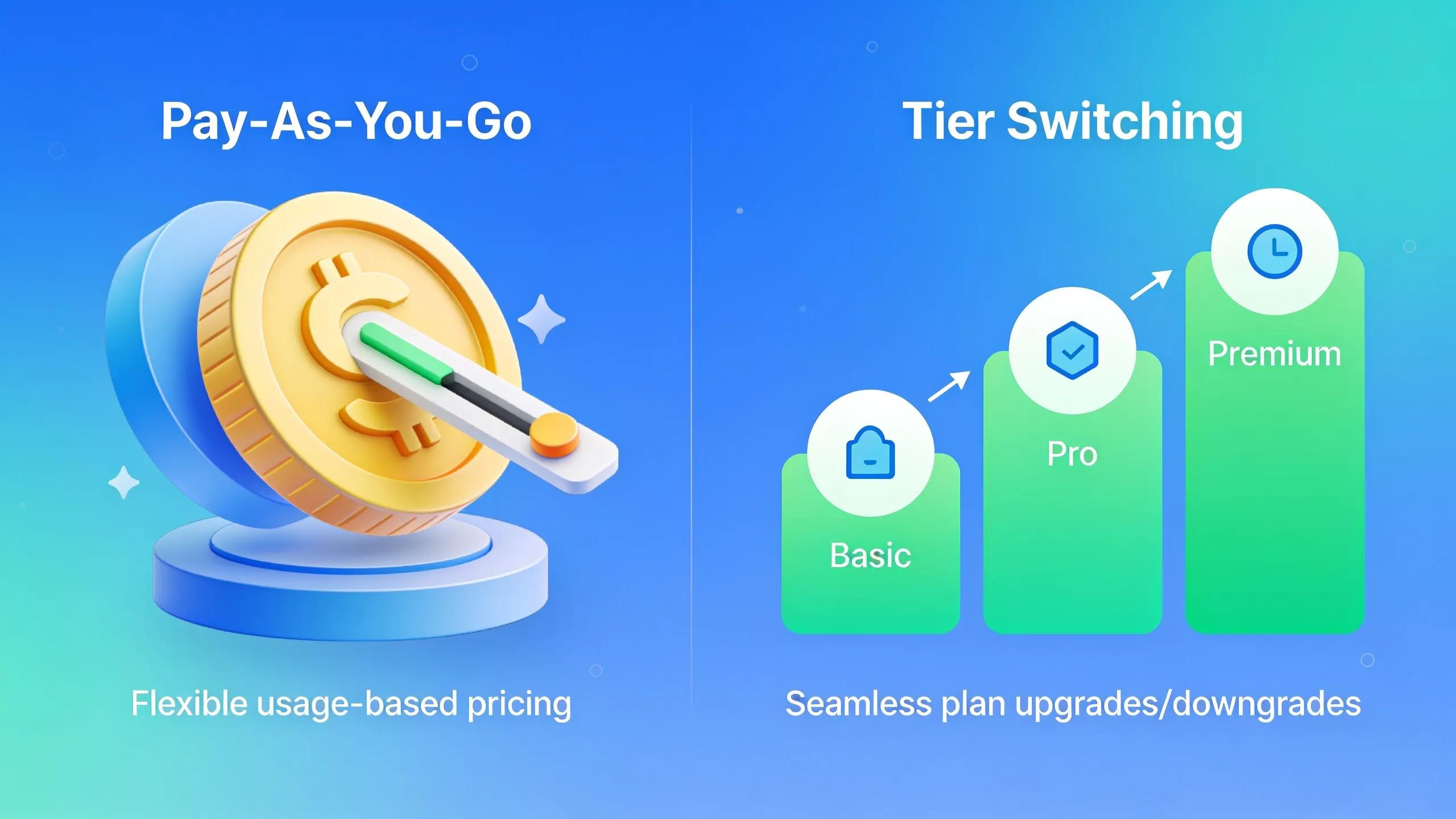
What Flexible Subscription Options Are Emerging in the Market?
Flexible subscription models are gaining traction by accommodating variable user demands. This section covers innovative approaches such as pay-as-you-go and tier-switching.
Flexible subscription options are gaining popularity, letting users customize plans to match their needs. These options may include pay-as-you-go models or the ability to switch between tiers as needed. This flexibility suits users with fluctuating usage patterns, so they pay only for what they need.
Interactive subscription models continue to evolve, driven by technological innovation and user-centric strategies. Enterprises that use these insights can optimize subscription offerings to boost engagement, satisfaction, and revenue growth.
| Subscription Tier | User Retention Rate (%) | Average Monthly Revenue per User ($) | Customer Satisfaction Score (1-10) |
|---|---|---|---|
| Basic | 65 | 5 | 6.8 |
| Standard | 78 | 12 | 7.9 |
| Premium | 90 | 25 | 9.2 |
The data reflect the correlation between subscription tier and key performance indicators, demonstrating the value of premium offerings in driving business outcomes.

| Pricing Model | Market Adoption Rate (%) | Average Cost Savings ($/year) | User Preference Index (1-100) |
|---|---|---|---|
| Tiered Pricing | 72 | 0 | 68 |
| Usage-Based Pricing | 28 | 150 | 82 |
Statistical overview of pricing model adoption and user preferences, highlighting the growing interest in usage-based pricing for cost efficiency.